
Many people struggle with the idea of “enough” because they’ve learned—often unconsciously—to tie their worth to productivity, income, or external validation. From an early age, messages like “stay busy,” “work harder,” or “be more” are reinforced by school systems, workplaces, and social expectations. Over time, these messages become internalized, shaping how we evaluate ourselves. Being…
Page 2 of 6

Grief, creativity, and the quiet adjustments of aging The video image shook slightly when the telehealth session began. At first glance it looked like a weak internet connection, the kind that occasionally causes the screen to wobble. But after a moment it became clear that the motion was coming from the other side of the…

Most of us move through the day with a quiet mental checklist. There are emails to answer, errands to run, responsibilities to meet, and expectations—both our own and others’—that we try to keep up with. By the end of the day, when we pause to evaluate how things went, our attention often goes straight to…

Our brains are wired to respond strongly to progress. Neuroscience research suggests that when we experience forward movement toward a goal—even in tiny increments—the brain releases dopamine, a neurotransmitter associated with motivation, learning, and reward (Schultz, 2016). This chemical signal helps the brain register that an action was worthwhile, increasing the likelihood that we will…

When we think of February, we often picture big declarations of love. But psychological research shows that emotional closeness is built not through grand events — but through everyday moments of responsiveness, presence, and shared attention. These are known as “bids for connection” — a term coined by psychologist John Gottman. A bid can be…
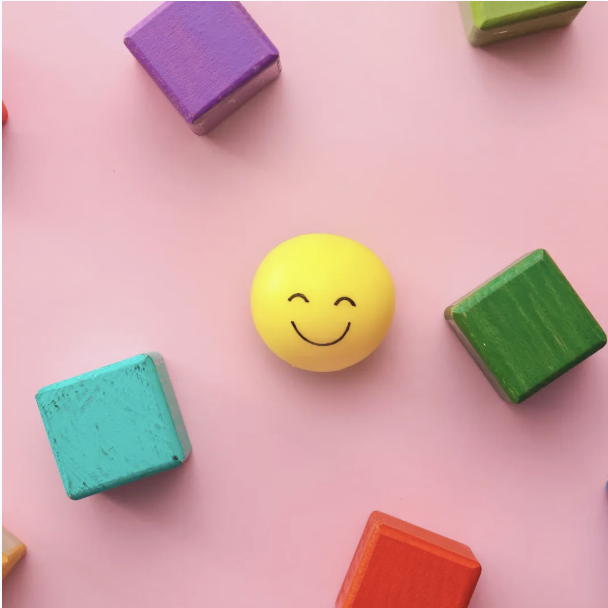
Positive thinking isn’t about ignoring reality — it’s about choosing where to place your attention. Our brains are evolutionarily wired to detect threats, which helped early humans survive but now often amplifies stress, anxiety, and burnout in modern life. Deliberate attention training — like noticing a kind word, a moment of peace, or a small…

In my 30 years of studying human behavior and wellbeing, I’ve discovered that optimal personal growth and fulfillment stem from enriching multiple facets of our lives, not just focusing on one. Through my work as a psychologist, meeting over a thousand individuals, seven common themes consistently emerge. However, I’ve noticed that when even one of…

In the past two weeks, a couple of patients told me something similar: their mood felt “off,” even though nothing stressful was happening in their lives. One patient noticed she felt more tired after the time change. The sun set earlier, and her body slowed down. Even though she still did her chores and met…

When we say “rest,” many imagine just pausing work or sleeping. But after a busy holiday break loaded with parties, errands, social calls, and mental juggling, our brain rarely finds real rest. Even enjoyable things — social obligations, shopping sprees, or festive planning — demand attention, decision‑making, and shifting focus. These activities all draw on…

Why Multitasking Isn’t Helping—and What It’s Really Doing to Your Brain Ever feel mentally exhausted after “just checking your phone” while working? That’s not just in your head—your brain actually burns more energy when you jump between tasks. The Myth of Multitasking Many people believe they can multitask—write an email, reply to a message, skim…
Sidebar
About Me
