Licensed Psychologist | Online psychological services available across participating PSYPACT states

Tag: Gratitude

3 Keys to Happiness in Daily Life

It doesn’t take a whole new routine to instill a dose of happiness into your day—but it does take a little self awareness.

1. Be grateful for the good & the bad.

Research shows, grateful people are happy people. It’s also important to understand that happiness is not the absence of negative feelings. Gratitude is a focus on the present and appreciation for what we have now, rather than wanting more. Embracing gratitude, as a state of mind, can have a positive affect on all aspects of life including our happiness and overall satisfaction.

Up your mood by taking a moment daily to think of your world with gratitude. Start a gratitude journal or take a walk in nature paying attention to all the gifts around us. Think of a person that helps you on a daily or weekly basis – a spouse, parent, friend, pet, teacher, cleaner, or babysitter.

Quiz: How grateful are you? Take the Gratitude Quiz published by the Greater Good Science Center at UC Berkeley.

2. Flex your creativity muscles.

Do you have a passion or hobby? It doesn’t have to be a formal activity, simply engaging in creative thinking can enhance well-being by enhancing cognitive flexibility and problem-solving abilities. A recent study out of New Zealand, published in The Journal of Positive Psychology explains that creative activities can trigger an “upward spiral” of well-being.

“Practicing an art — no matter how well or badly — is a way to make your soul grow. So do it.” – Kurt Vonnegut.

Make some space in your day to create, even if it’s just for the sake of it. Try exploring unique textures or even natural and recycled materials to make something for your home or a friend. Looking for some tips on how to add more creativity into your daily life? Read this list of 101 creative habits to explore.

3. Get connected, Stay connected.

Being apart of something larger than yourself can help bring perspective as well as a sense of belonging. Scientific evidence strongly suggests that feeling like you belong and generally feel close to other people is a core psychological need; essential to feeling satisfied with your life. The pleasures of social life register in our brains much the same way physical pleasure does.

So take the time to nurture a friendship that is important to you. Make an extra effort to show you care, send a card, make a plan to have lunch, or give them a call and really listen to what they say. Smile and say hello to a stranger. Tell a story when someone asks how your day is going. Notice how you feel when you share something with someone new.

Struggling and need support? Join a support group and talk to others that can relate. Find your tribe: support.therapytribe.com – a free online support community brought to you by TherapyTribe.

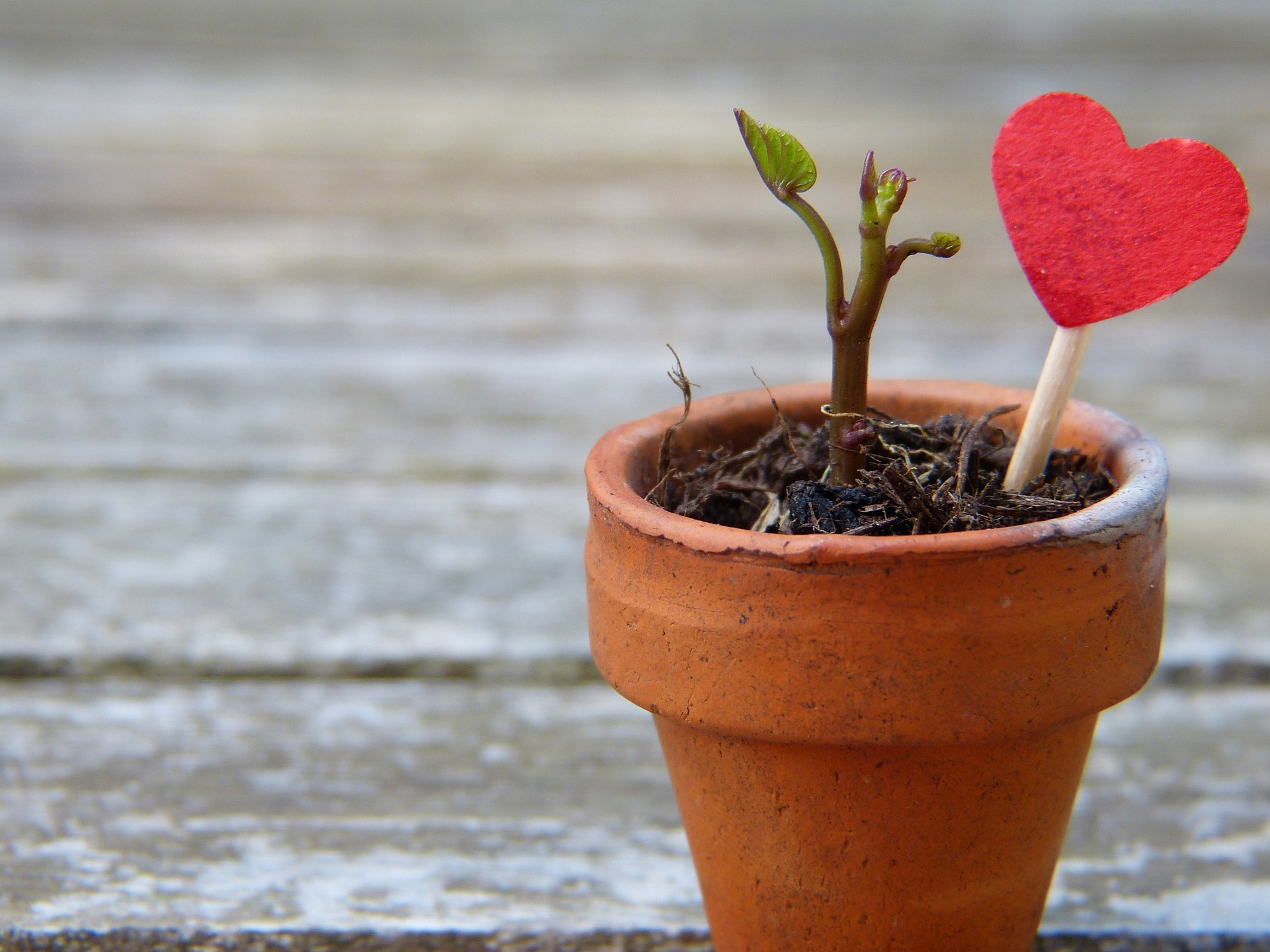
TherapyTribe - Wellness Tracker Tip: Check out the wellness tracker. It’s a simple but powerful tool designed to help you remember the promises you make to yourself. As you complete wellness activities your tree will blossom, and so will you!


Self-Care vs. Consumer Care

In today’s culture, self-care is often sold to us as something you need to buy—a luxury spa day, a weekend getaway, a new skincare set, or a perfectly curated morning routine. Social media and advertising have turned well-being into a product, making it easy to believe that taking care of ourselves means spending money. But self-care doesn’t have to come with a price tag. In fact, Dr. Laurie Santos (2019), professor of psychology at Yale and creator of the “Science of Well-Being” course, reminds us that the most effective ways to boost mental health—like sleep, gratitude, exercise, and social connection—are completely free and backed by science.

The problem is, we often dismiss these simple acts because they don’t feel special or “Instagram-worthy.” This mindset is influenced by what psychologists call the negativity bias, which is our brain’s natural tendency to focus more on what’s wrong or lacking than on what’s positive or working (Baumeister et al., 2001). This bias can cause us to overlook the quiet but meaningful ways we already support our mental health—like resting, journaling, laughing with a friend, or even breathing deeply for a few minutes. When these practices are not labeled as self-care, we may assume we’re doing “nothing” for ourselves, even when we’re actually doing something important.

By becoming more aware of this bias, we can reframe how we view self-care. Start by naming the small, restorative things you do each day—like stepping outside for fresh air or pausing to stretch—and say to yourself, “This is self-care.” Practicing gratitude, even briefly, can shift your attention toward what’s nourishing and true. The more we acknowledge the value of accessible, no-cost forms of care, the more empowered we become to care for our mental health consistently—no purchases necessary.


References:
Baumeister, R. F., Bratslavsky, E., Finkenauer, C., & Vohs, K. D. (2001). Bad is stronger than good. Review of General Psychology, 5(4), 323–370. https://doi.org/10.1037/1089-2680.5.4.323
Santos, L. (2019). The Science of Well-Being [Online course]. Yale University. https://www.coursera.org/learn/the-science-of-well-being

Share this post:

What is Positive Psychology

Positive psychology is a part of psychology that focuses on the positive parts of life. Instead of only studying problems like sadness or anxiety, it looks at what helps people feel happy, strong, and fulfilled. Psychologists in this field ask questions like, “What makes life meaningful?” or “What helps people stay hopeful even during hard times?” It’s about understanding what goes well in life and how we can have more of it (Seligman & Csikszentmihalyi, 2000).

One important idea in positive psychology is that everyone has personal strengths. These can be things like kindness, bravery, creativity, or love of learning. When we use our strengths, we often feel more confident and motivated. Positive psychology also shows that practicing gratitude—like writing down things you’re thankful for—can boost your mood and help you handle stress better. Even simple acts, like helping others or spending time in nature, can help improve mental well-being.

Positive psychology teaches us that mental health is not just about fixing problems, but also about building a life that feels good and meaningful. It reminds us to focus on what’s going right, not just what’s going wrong. By learning more about our strengths, practicing gratitude, and connecting with others, we can feel happier and stronger each day. In this way, positive psychology helps people not just survive—but thrive.

References
Seligman, M. E. P., & Csikszentmihalyi, M. (2000). Positive psychology: An introduction. American Psychologist, 55(1), 5–14. https://doi.org/10.1037/0003-066X.55.1.5

Holiday Hugs and Heartstrings

As the holiday season rolls around, it brings more than just decorations, delicious food, and gift exchanges—it offers a unique opportunity to deepen social connections. While the festivities may look different for everyone, the psychological need for connection remains universal. Understanding the psycho-educational basis of social connection during the holidays reveals why relationships play such a crucial role in this season’s joy.

The Psychological Need for Connection

Human beings are inherently social creatures. Psychologist Abraham Maslow highlighted connection as a fundamental need in his hierarchy, emphasizing its role in overall wellbeing (Maslow, 1943). During the holidays, this need becomes even more pronounced as cultural and familial rituals remind us of the importance of relationships.

Research shows that social connection is linked to mental and physical health benefits. A sense of belonging can lower stress levels, reduce symptoms of anxiety and depression, and even improve cardiovascular health (Holt-Lunstad et al., 2010). Social bonds trigger the release of oxytocin, often called the “bonding hormone,” which promotes feelings of trust and reduces stress. Moreover, spending time with loved ones activates the brain’s reward system, releasing dopamine and serotonin—neurotransmitters linked to happiness and emotional stability. In other words, connection literally makes us feel good. This is particularly meaningful during the holidays, a time when many feel heightened emotions—both positive and challenging.

The Holidays: A Unique Context for Connection

The holidays amplify this need for connection for several reasons. For one, rituals such as sharing meals, exchanging gifts, or lighting candles create opportunities for bonding. These shared traditions foster a sense of community and continuity, even across generations. They remind us that we’re part of something larger than ourselves.

At the same time, the holidays can also heighten feelings of loneliness for those who lack a strong social network. For individuals without family nearby, creating “chosen families” through friendships can help fill this gap. In fact, studies have shown that the quality of relationships, rather than their quantity, is what matters most for psychological health.

Addressing Social Challenges During the Holidays

While the holidays can bring joy, they can also highlight feelings of loneliness for some. It’s essential to recognize that not everyone has access to close-knit social circles. For these individuals, intentional efforts—such as reaching out to a friend, volunteering, or joining a community event—can create meaningful connections.

Additionally, cultivating self-compassion can buffer against feelings of isolation. According to Neff (2003), self-compassion involves treating oneself with kindness and understanding, particularly during emotionally difficult times.

The Impact on Collective Wellbeing

Beyond individual benefits, social connection during the holidays fosters collective wellbeing. It strengthens communities, builds resilience, and reinforces cultural traditions. By prioritizing relationships, whether through family gatherings, reconnecting with friends, or supporting neighbors, we contribute to a ripple effect of positivity.

Tips for Enhancing Social Connection This Holiday Season

Prioritize Quality Time: Focus on meaningful conversations and shared experiences instead of being distracted by tasks or technology.

Embrace Inclusivity: Reach out to neighbors, colleagues, or acquaintances who might not have a place to celebrate, creating a stronger sense of community.

Stay Present: Whether through virtual calls or in-person gatherings, being emotionally present fosters deeper connections.

Practice Gratitude: Expressing appreciation for loved ones strengthens bonds and creates a positive feedback loop of warmth and affection.

The Ripple Effect

Social connection during the holidays doesn’t just benefit individuals—it also has a ripple effect. Families who feel emotionally close are better at resolving conflicts, friendships deepen through shared experiences, and communities grow stronger when people actively include others. By investing in connection, we collectively create a brighter, more supportive environment for all.

So this holiday season, remember that togetherness isn’t just a tradition—it’s a psychological cornerstone of happiness. Whether it’s a heartfelt conversation, a shared laugh, or a moment of quiet reflection with a loved one, these connections are truly the best gift you can give or receive.


References

Emmons, R. A., & McCullough, M. E. (2003). Counting blessings versus burdens: An experimental investigation of gratitude and subjective well-being in daily life. Journal of Personality and Social Psychology, 84(2), 377-389. https://doi.org/10.1037/0022-3514.84.2.377

Holt-Lunstad, J., Smith, T. B., & Layton, J. B. (2010). Social relationships and mortality risk: A meta-analytic review. PLoS Medicine, 7(7), e1000316. https://doi.org/10.1371/journal.pmed.1000316

Maslow, A. H. (1943). A theory of human motivation. Psychological Review, 50(4), 370-396. https://doi.org/10.1037/h0054346

Neff, K. D. (2003). The development and validation of a scale to measure self-compassion. Self and Identity, 2(3), 223-250. https://doi.org/10.1080/15298860309027

Rimé, B. (2009). Emotion elicits the social sharing of emotion: Theory and empirical review. Emotion Review, 1(1), 60-85. https://doi.org/10.1177/1754073908097189

Wildschut, T., Sedikides, C., Arndt, J., & Routledge, C. (2006). Nostalgia: Content, triggers, functions. Journal of Personality and Social Psychology, 91(5), 975-993. https://doi.org/10.1037/0022-3514.91.5.975

The Half-Empty, Half-Full Glass

The well-known expression “Is the glass half-empty or half-full?” is often used to gauge whether someone has a pessimistic or optimistic outlook. The half-empty perspective emphasizes what is missing, while the half-full view highlights what remains. Both perspectives seem to offer valid, yet opposing truths. However, framing the question as an either/or situation overlooks the dialectical nature of reality, where both sides coexist in a continuous interplay.

Dialectics, a concept rooted in philosophy by Georg Hegel, holds that seemingly opposing forces can exist simultaneously, and it is in their interaction that truth is revealed. Rather than viewing the glass as either half-empty or half-full, the dialectical perspective suggests they are both at the same time. This duality reflects a more comprehensive understanding of reality, where contradictions are not resolved by choosing one side but are embraced as part of a larger, dynamic whole.

From a dialectical standpoint, acknowledging that the glass is both half-empty and half-full allows for a deeper appreciation of life’s complexity. It encourages us to move beyond binary thinking, fostering a mindset where limitations (the half-empty) and possibilities (the half-full) are recognized together. Life is not static; it constantly shifts between what we have and what we lack, and understanding this interaction can lead to more balanced perspectives.

In practice, this means recognizing that challenges and opportunities are intertwined. The glass is neither just full of potential nor only depleted of resources—it is both. By embracing this dialectical view, we open ourselves to a more nuanced understanding of our experiences, where growth and setbacks, gains and losses, exist in an ongoing relationship. It’s in navigating this tension that we find deeper insight into ourselves and the world around us.

Imagine a person who only views the glass as half-empty. This person constantly focuses on what is missing—whether it’s time, resources, or personal achievements. Over time, this perspective can lead to feelings of dissatisfaction, anxiety, or even depression. When we only see what’s lacking, the mind begins to internalize a narrative of insufficiency, leading to a cycle of negative thoughts. Opportunities for growth and happiness become overshadowed by a fixation on shortcomings, creating mental strain and emotional fatigue.

Conversely, someone who exclusively sees the glass as half-full may focus solely on the positives, disregarding any potential issues or challenges. While optimism is beneficial, an overly positive bias can lead to unrealistic expectations, denial of real problems, or avoidance of difficult emotions. This type of thinking can prevent a person from preparing for challenges, leading to frustration or unexpected setbacks when reality doesn’t align with their optimistic view.

Now, consider a person who sees both sides of the glass—half-empty and half-full. This individual acknowledges the emptiness, but also values what is still present. By recognizing the challenges while appreciating the opportunities, they foster a balanced and adaptable mindset. This approach encourages practical problem-solving while maintaining a sense of gratitude and resilience. Acknowledging both what we lack and what we possess helps us to develop emotional flexibility and mental strength.

Benefits of a Balanced Perspective:

Mental flexibility: Recognizing both the good and bad can help manage stress, process emotions healthily, and build resilience.

Emotional health: Appreciating what is present, while also planning for and addressing what is lacking, reduces anxiety and creates a sense of control.

Cognitive balance: Viewing both sides nurtures a realistic, yet hopeful mindset, allowing one to stay grounded while remaining open to growth and change.

Ultimately, the healthiest mental state comes from seeing the glass as it is—both half-empty and half-full—because life, too, is a balance of losses and gains, struggles and successes. Embracing this duality allows us to thrive mentally, emotionally, and even spiritually, fostering a more sustainable sense of wellbeing.

It’s now your turn to reflect on how you navigate around your daily experiences. When you face challenges or opportunities in life, do you tend to focus more on what’s missing (the empty part) or on what you have (the full part)? How might your mindset shift if you made room for both perspectives?

Rather than choosing whether the glass is half-empty or half-full, it is more consistent with dialectics to see that it is both. This broader perspective acknowledges the contradictions inherent in life, encouraging us to embrace complexity rather than oversimplifying our reality.

Read more from Rizaldy R. Ferrer, Ph.D.

Sidebar