Licensed Psychologist | Online psychological services available across participating PSYPACT states

Tag: Economic Wellbeing

What Does it Feel Like to Be Enough?

 An Economic Wellbeing reflection on work, money, and meaning

There are sessions where something feels urgent, and then there are sessions where something feels settled. Today was the latter. Nothing needed fixing, but something important was clear.

Not too long ago, work made Avery miserable. Just months into a role that was meant to be the high point of their career, Avery realized it wasn’t something they wanted to continue for the rest of their working life. So, they chose to step away. There was no immediate plan—just some time off. Along the way, they took a few consultancy work, not as part of a bigger strategy, but because they felt right in the moment.

And now, Avery talked about a possible full-time job. It might mean moving, and it pays less than what they used to earn. Yet, there was no tension in their voice. If it works out, it works out. If not, they would be okay. Before, decisions came from pressure—the need to fix, to prove, to secure something quickly. Now, they came from intention. Not busy, but active.

Avery described something different. Over the past year, they had been letting things unfold rather than forcing outcomes. And somehow, opportunities still came. In some ways, more easily. I pointed out that this was not a lack of effort. It was a shift in how effort was used. It was less about control and more about choice. This is something we often see in Acceptance and Commitment Therapy—moving forward based on values, not fear, even when the outcome is uncertain (Hayes, Strosahl, & Wilson, 1999).

We talked about how Avery works now. The schedule is flexible. The pace is different. It may not look like much from the outside, but Avery feels engaged. Clear.

That led to a distinction I often make. There is a difference between being busy and being active. Busy comes with pressure. It is often about proving something. Active is quieter. It is still effort, but it is chosen. Avery added something important. Busy feels performative.

There is a belief that being tired means being valuable. That the more you do, the more you matter. But Avery stepped away from that. Their work no longer needed to be seen to feel real. It just needed to feel enough.

This lines up with what we know from self-determination theory. People feel better when their actions come from choice and meaning, not pressure (Deci & Ryan, 2000). Avery was no longer working to prove something. They were working in a way that fit.

We then talked about money. The new job pays much less. Before, that would have felt like a loss. Now, Avery said something different. They realized they do not need as much as they once thought. This was not just about money. It was about how Avery now understands economic wellbeing. It was no longer about chasing a number. It was about asking, “What supports my life?”

That shift matters. Research shows that it is not the event itself, but the meaning we give it that shapes how we feel (Seligman, 2011). A lower salary can feel like failure, or it can feel like freedom. The number stays the same. The meaning changes.

I asked Avery what they liked about the job beyond the pay. The answer came quickly—working with people, building relationships, helping others grow. As they spoke, it felt natural, almost easy. Like something they already knew about themselves.

Near the end, I reflected on what Avery said that this job’s salary offer felt like enough. It meant that they were no longer starting from a place of lack. I told them that when you already feel enough, anything more would be a bonus.

References

Deci, E. L., & Ryan, R. M. (2000). The “what” and “why” of goal pursuits: Human needs and the self-determination of behavior. Psychological Inquiry, 11(4), 227–268.

Hayes, S. C., Strosahl, K. D., & Wilson, K. G. (1999). Acceptance and commitment therapy: An experiential approach to behavior change. Guilford Press.

Seligman, M. E. P. (2011). Flourish: A visionary new understanding of happiness and well-being. Free Press.


7NOW

In my 30 years of studying human behavior and wellbeing, I’ve discovered that optimal personal growth and fulfillment stem from enriching multiple facets of our lives, not just focusing on one. Through my work as a psychologist, meeting over a thousand individuals, seven common themes consistently emerge. However, I’ve noticed that when even one of these areas is overlooked, it negatively impacts a person’s overall sense of wellbeing, underscoring the importance of maintaining harmony across all facets of life.

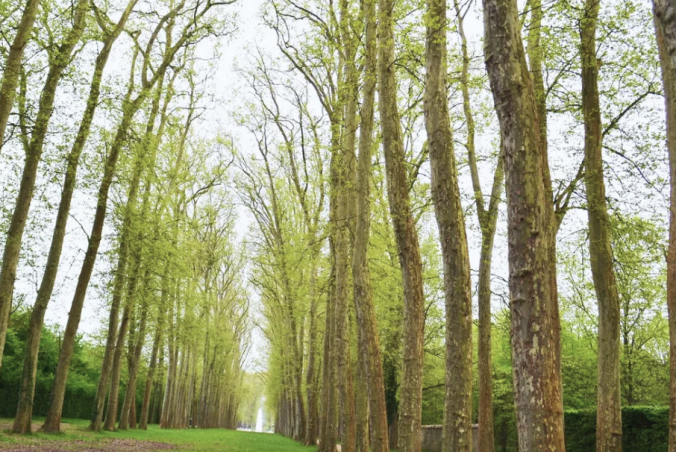
The “7 Network of Wellbeing” is coined after learning from the research and insights of Peter Wohlleben, a German forester and author of The Hidden Life of Trees, and Suzanne Simard, a renowned forest ecologist. They explain how trees are far more social and interconnected than previously understood, sharing nutrients and information through fungal networks beneath the soil. This mutual support system helps trees thrive and survive as a community, rather than as isolated individuals.

In the documentary Intelligent Trees, released in 2016 and directed by Julia Dordel and Guido Tölke, it explores the fascinating communication and cooperative behaviors of trees, particularly focusing on how they interact through an underground network often referred to as the “Wood Wide Web.”

Just like trees connect through underground networks to nurture and sustain each other, our wellbeing is interconnected through seven essential realms: physical, psychological, social, environmental, economic, spiritual, and artistic. Each aspect supports and enriches the other, creating a resilient network for holistic health and happiness. And when these areas of our lives are in harmony, they create a strong foundation for overall wellbeing.

Here are short tips for you to begin your practice of enriching your 7 Network of Wellbeing:

  1. Physical: Engage in regular exercise, balanced nutrition, and adequate sleep to maintain and enhance your physical health.
  2. Psychological: Practice mindfulness and meditation to manage stress and foster emotional resilience.
  3. Social: Nurture relationships by staying connected with loved ones, participating in community activities, and practicing active listening.
  4. Environmental: Spend time in nature and adopt eco-friendly habits, like recycling and reducing waste.
  5. Economic: Create a budget, save regularly, and set financial goals to manage your resources effectively.
  6. Spiritual: Reflect on your values and purpose through meditation, prayer, or other spiritual practices.
  7. Artistic: Engage in creative activities like drawing, writing, or music to express yourself and stimulate your imagination.

These practices can help you build a balanced and interconnected sense of wellbeing across these seven areas.

Karoshi

Recently, I watched a documentary that left a profound impression on me, shedding light on Japan’s complex state of wellbeing. It painted a picture of “two worlds” within the country. On one side, in places like Tokyo, people are hustling and bustling, seemingly in a constant fight for survival, working long hours and pushing themselves to their limits. On the other side, in regions like Okinawa, a designated Green Zone, people are living peaceful, balanced lives, with many reaching their centennial years.

In this documentary, they introduced the term Karoshi, a Japanese word that refers to the compulsive desire to work hard, even to the point of harming one’s health. This concept struck me because it closely ties to the Western culture of overwork. I felt compelled to share what I learned and bring this message to you, hoping that you will reflect on your own life, especially on your economic wellbeing.

Understanding Karoshi: The Dangers of Overworking

Karoshi, which translates to “death by overwork,” became a recognized issue in Japan as early as the 1980s. The World Health Organization (2021) has reported that overwork leads to an increased risk of heart disease and stroke. In Japan, many workers push themselves so hard that their health breaks down, a problem compounded by a cultural expectation to dedicate one’s life to work. Karoshi—the compulsive drive to work at all costs—feeds into this cycle. The more people feel pressured to prove their worth through their work, the more they sacrifice their health.

In the U.S., though we might not use the same terms, the situation is similar. The American work culture values busyness and productivity, often at the expense of personal wellbeing. According to a report by the American Institute of Stress (2021), 83% of workers in the U.S. experience significant stress related to their jobs. This mirrors the pressure seen in Tokyo and highlights a global issue of overwork.

The Contrast with Okinawa’s Green Zone

In contrast to the hustle and grind of Tokyo and similar urban centers, Okinawa offers an entirely different way of life. Okinawa is part of the world’s “Blue Zones,” places where people live exceptionally long, healthy lives. The people of Okinawa embrace balance in their daily activities, including work. They value community, health, and leisure, which helps explain why many live to be 100 years or older.

What can we learn from this? The contrast between Tokyo’s fast-paced life and Okinawa’s slower, balanced lifestyle offers a powerful lesson: a life driven by overwork is not sustainable. Karoshi are stark reminders of the cost of sacrificing wellbeing for work, whereas Okinawa shows us that focusing on balance and prioritizing health can lead to longevity and happiness.

How This Relates to Us: Economic Wellbeing and Our Choices

You may be wondering how all of this relates to your own life, especially here in America. The truth is, many of us fall into the same trap of overworking, driven by financial pressures and the cultural expectation to be constantly productive. However, the story of Karoshi reminds us that this drive can be dangerous. It’s essential to pause and reflect: Are we working so hard that we’re sacrificing our health? How can we find balance in our work lives to improve our wellbeing?

Seeking a healthier balance, both economically and personally, is key. Taking time for yourself, setting boundaries between work and personal life, and prioritizing your mental and physical health are steps we can all take to prevent burnout and stress. And remember, seeking help from a therapist or counselor when you’re feeling overwhelmed can make all the difference.

A Call to Action: Reflect on Your Wellbeing

As you reflect on your own life, consider how your work habits might be affecting your health and happiness. The lessons of Karoshi, and Okinawa’s Green Zone are clear: a life that prioritizes balance over constant busyness leads to better health and greater fulfillment. In the end, your economic wellbeing depends on more than just how hard you work—it’s about how you care for yourself, too.

If you find yourself stressed, overwhelmed, or unable to cope with the pressures of work, reach out to a mental health professional. Your wellbeing is worth investing in, and it’s never too late to make changes for a healthier, happier life.

Read more from Rizaldy R. Ferrer, Ph.D.


References

American Institute of Stress. (2021). Stress in America: Latest statistics. Retrieved from

https://www.stress.org/

Mayo Clinic. (2020). Stress management: The physical toll of chronic stress. Retrieved from https://www.mayoclinic.org/healthy-lifestyle/stress-management

Takahashi, M. (2019). Overwork-related disorders in Japan: Recent trends and development of a national policy to promote preventive measures. Industrial Health, 57(3), 245–250. https://doi.org/10.2486/indhealth.2018-0218

World Health Organization. (2021). Long working hours increasing deaths from heart disease and stroke. Retrieved from https://www.who.int/news-room

7NOW

The 7 Network of Wellbeing

In my 30 years of studying human behavior and wellbeing, I’ve discovered that optimal personal growth and fulfillment stem from enriching multiple facets of our lives, not just focusing on one. Through my work as a psychologist, meeting over a thousand individuals, seven common themes consistently emerge. However, I’ve noticed that when even one of these areas is overlooked, it negatively impacts a person’s overall sense of wellbeing, underscoring the importance of maintaining harmony across all facets of life.

The “7 Network of Wellbeing” is coined after learning from the research and insights of Peter Wohlleben, a German forester and author of The Hidden Life of Trees, and Suzanne Simard, a renowned forest ecologist. They explain how trees are far more social and interconnected than previously understood, sharing nutrients and information through fungal networks beneath the soil. This mutual support system helps trees thrive and survive as a community, rather than as isolated individuals.

In the documentary Intelligent Trees, released in 2016 and directed by Julia Dordel and Guido Tölke, it explores the fascinating communication and cooperative behaviors of trees, particularly focusing on how they interact through an underground network often referred to as the “Wood Wide Web.”

Just like trees connect through underground networks to nurture and sustain each other, our wellbeing is interconnected through seven essential realms: physical, psychological, social, environmental, economic, spiritual, and artistic. Each aspect supports and enriches the other, creating a resilient network for holistic health and happiness. And when these areas of our lives are in harmony, they create a strong foundation for overall wellbeing.

Here are short tips for you to begin your practice of enriching your 7 Network of Wellbeing:

  1. Physical: Engage in regular exercise, balanced nutrition, and adequate sleep to maintain and enhance your physical health.
  2. Psychological: Practice mindfulness and meditation to manage stress and foster emotional resilience.
  3. Social: Nurture relationships by staying connected with loved ones, participating in community activities, and practicing active listening.
  4. Environmental: Spend time in nature and adopt eco-friendly habits, like recycling and reducing waste.
  5. Economic: Create a budget, save regularly, and set financial goals to manage your resources effectively.
  6. Spiritual: Reflect on your values and purpose through meditation, prayer, or other spiritual practices.
  7. Artistic: Engage in creative activities like drawing, writing, or music to express yourself and stimulate your imagination.

These practices can help you build a balanced and interconnected sense of wellbeing across these seven areas.

Read more from Rizaldy R. Ferrer, Ph.D.

Sidebar