Licensed Psychologist | Online psychological services available across participating PSYPACT states

Tag: Social Connection

The Healing Power of Awe

What Is Awe?
Awe is a complex, often overlooked emotion that arises when we encounter something vast, beautiful, or beyond our understanding. This can include experiences in nature, art, music, spirituality, or even witnessing acts of moral courage or kindness. Unlike joy or excitement, awe tends to shift our focus away from ourselves and toward something larger—creating a sense of humility, openness, and perspective.

How Awe Affects Mental Health
Research in the field of positive psychology has found that awe can play a significant role in improving mental well-being. According to Keltner and Haidt (2003), awe has the power to “quiet the self,” reduce rumination, and shift attention away from ego-driven concerns. More recently, Sturm et al. (2023) demonstrated that awe can lower symptoms of anxiety and depression, increase social connection, and even promote a physiological “reset,” such as slower breathing and reduced heart rate.

Experiencing awe may also help individuals build psychological resilience. When you feel awe, your usual worries can shrink in comparison to the vastness of what you’re witnessing. This “small self” perspective has been linked to increased generosity, improved mood, and greater life satisfaction (Piff et al., 2015).

Everyday Awe: It’s Closer Than You Think
Awe doesn’t require a mountaintop or a symphony orchestra. It can be as simple as watching clouds drift, listening to music that moves you, stargazing on a quiet night, or noticing how sunlight hits your kitchen table. Even recalling a memory that once filled you with wonder can evoke awe and its calming effects.

One of the most beautiful things about awe is its accessibility—it costs nothing, requires no schedule, and asks only for your attention. By pausing, observing, and allowing yourself to be moved by something greater, you create space for healing, clarity, and deep emotional restoration.

References:

Keltner, D., & Haidt, J. (2003). Approaching awe, a moral, spiritual, and aesthetic emotion. Cognition and Emotion, 17(2), 297–314. https://doi.org/10.1080/02699930302297

Piff, P. K., Dietze, P., Feinberg, M., Stancato, D. M., & Keltner, D. (2015). Awe, the small self, and prosocial behavior. Journal of Personality and Social Psychology, 108(6), 883–899. https://doi.org/10.1037/pspi0000018

Sturm, V. E., Willroth, E. C., Mitchell, L., & Shiota, M. N. (2023). Awe and anxiety: An integrative review of the evidence and implications for clinical practice. Frontiers in Psychology, 14, Article 1151682. https://doi.org/10.3389/fpsyg.2023.1151682

Anhedonia

Have you ever found yourself losing interest in things you used to love—like a favorite hobby, music, or time with friends? This is called anhedonia, a term that describes the reduced ability to feel pleasure. It’s a common symptom of depression, but it can also appear in anxiety, trauma-related conditions, burnout, and even after major life stress.

Anhedonia is more than just feeling sad or bored—it can feel like a disconnect between what you know you used to enjoy and what you actually feel in the moment. This can lead to isolation, low motivation, and even guilt (“Why can’t I enjoy anything?”).

On the opposite side of the spectrum is hedonism, which emphasizes seeking pleasure, enjoyment, and comfort. While a balanced amount of pleasure-seeking can improve well-being, anhedonia is a signal that the brain’s reward system needs extra support—like a “low battery” warning.

Why It Matters

Recognizing anhedonia early can help prevent it from deepening into a more serious mental health concern. Understanding that this is a symptom, not a personal failing, is the first step toward change.

What You Can Do

  • Start Small: Pick one simple, low-effort activity you used to enjoy (listening to a favorite song, sipping tea, stepping outside for a minute) and try it daily, even if you don’t feel like it.
  • Move Your Body: Physical activity, even gentle stretching or walking, can re-engage the brain’s pleasure pathways.
  • Connect with Others: Social connection helps regulate mood, even if you start with a brief call or message to someone you trust.
  • Track Your Mood: Keep a journal of activities and rate your enjoyment from 1–10. This can show patterns and gradual improvement.
  • Seek Support: If anhedonia lasts more than a couple of weeks or interferes with work, relationships, or daily functioning, talk to a mental health professional. Treatments like therapy and medication can be very effective.

Action Step: This week, schedule just one enjoyable activity—no matter how small—and commit to showing up for it. Consistency can “retrain” your brain to feel joy again.

Why Mental Health Matters and What You Can Do About It

What Is Mental Health?

Mental health is about how we think, feel, and act. It affects how we handle stress, relate to others, and make choices (Centers for Disease Control and Prevention [CDC], 2023). Just like physical health, our mental health needs care and attention too. If we ignore it, we may feel sad, tired, or even get sick.

Why May Is Mental Health Awareness Month

Each year, the month of May is set aside to talk about mental health. Mental Health Awareness Month has been around since 1949. It helps people learn more about mental health and how to take care of it (Mental Health America, 2024). It also reminds us that it’s okay to ask for help.

How to Know If Someone Is Struggling

People do not always say when they’re having a hard time, but here are some signs to watch for:

  • Not wanting to do things they usually like
  • Sleeping too much or not enough
  • Feeling sad or angry for a long time
  • Saying they feel “off” or “not themselves”

If you notice any of these signs in yourself or someone else, it’s important to talk to a trusted adult, like a parent, teacher, or counselor.

Easy Ways to Take Care of Your Mental Health

You don’t need to do big things to stay mentally healthy. Small steps matter too. Here are a few easy ideas:

  • Take breaks when you feel stressed
  • Get some fresh air and move your body
  • Talk to friends and family
  • Write in a journal
  • Ask for help when you need it

Just like brushing your teeth every day keeps your mouth healthy, doing these things can help your mind stay strong.

Let’s Help Each Other

You can make a difference by checking in with your friends. Ask them how they are doing, really listen, and let them know they’re not alone. Sharing your own feelings can help others feel safe to share too.

Final Thoughts

Mental health is important for everyone—kids, teens, and adults. You don’t have to go through tough times alone. Asking for help is a sign of strength, not weakness. Let’s keep talking, keep caring, and keep showing up for each other.

References

Centers for Disease Control and Prevention. (2023). Mental health. https://www.cdc.gov/mentalhealth/index.htm

Mental Health America. (2024). Mental Health Awareness Month. https://www.mhanational.org/mental-health-month

What is Positive Psychology

Positive psychology is a part of psychology that focuses on the positive parts of life. Instead of only studying problems like sadness or anxiety, it looks at what helps people feel happy, strong, and fulfilled. Psychologists in this field ask questions like, “What makes life meaningful?” or “What helps people stay hopeful even during hard times?” It’s about understanding what goes well in life and how we can have more of it (Seligman & Csikszentmihalyi, 2000).

One important idea in positive psychology is that everyone has personal strengths. These can be things like kindness, bravery, creativity, or love of learning. When we use our strengths, we often feel more confident and motivated. Positive psychology also shows that practicing gratitude—like writing down things you’re thankful for—can boost your mood and help you handle stress better. Even simple acts, like helping others or spending time in nature, can help improve mental well-being.

Positive psychology teaches us that mental health is not just about fixing problems, but also about building a life that feels good and meaningful. It reminds us to focus on what’s going right, not just what’s going wrong. By learning more about our strengths, practicing gratitude, and connecting with others, we can feel happier and stronger each day. In this way, positive psychology helps people not just survive—but thrive.

References
Seligman, M. E. P., & Csikszentmihalyi, M. (2000). Positive psychology: An introduction. American Psychologist, 55(1), 5–14. https://doi.org/10.1037/0003-066X.55.1.5

Holiday Hugs and Heartstrings

As the holiday season rolls around, it brings more than just decorations, delicious food, and gift exchanges—it offers a unique opportunity to deepen social connections. While the festivities may look different for everyone, the psychological need for connection remains universal. Understanding the psycho-educational basis of social connection during the holidays reveals why relationships play such a crucial role in this season’s joy.

The Psychological Need for Connection

Human beings are inherently social creatures. Psychologist Abraham Maslow highlighted connection as a fundamental need in his hierarchy, emphasizing its role in overall wellbeing (Maslow, 1943). During the holidays, this need becomes even more pronounced as cultural and familial rituals remind us of the importance of relationships.

Research shows that social connection is linked to mental and physical health benefits. A sense of belonging can lower stress levels, reduce symptoms of anxiety and depression, and even improve cardiovascular health (Holt-Lunstad et al., 2010). Social bonds trigger the release of oxytocin, often called the “bonding hormone,” which promotes feelings of trust and reduces stress. Moreover, spending time with loved ones activates the brain’s reward system, releasing dopamine and serotonin—neurotransmitters linked to happiness and emotional stability. In other words, connection literally makes us feel good. This is particularly meaningful during the holidays, a time when many feel heightened emotions—both positive and challenging.

The Holidays: A Unique Context for Connection

The holidays amplify this need for connection for several reasons. For one, rituals such as sharing meals, exchanging gifts, or lighting candles create opportunities for bonding. These shared traditions foster a sense of community and continuity, even across generations. They remind us that we’re part of something larger than ourselves.

At the same time, the holidays can also heighten feelings of loneliness for those who lack a strong social network. For individuals without family nearby, creating “chosen families” through friendships can help fill this gap. In fact, studies have shown that the quality of relationships, rather than their quantity, is what matters most for psychological health.

Addressing Social Challenges During the Holidays

While the holidays can bring joy, they can also highlight feelings of loneliness for some. It’s essential to recognize that not everyone has access to close-knit social circles. For these individuals, intentional efforts—such as reaching out to a friend, volunteering, or joining a community event—can create meaningful connections.

Additionally, cultivating self-compassion can buffer against feelings of isolation. According to Neff (2003), self-compassion involves treating oneself with kindness and understanding, particularly during emotionally difficult times.

The Impact on Collective Wellbeing

Beyond individual benefits, social connection during the holidays fosters collective wellbeing. It strengthens communities, builds resilience, and reinforces cultural traditions. By prioritizing relationships, whether through family gatherings, reconnecting with friends, or supporting neighbors, we contribute to a ripple effect of positivity.

Tips for Enhancing Social Connection This Holiday Season

Prioritize Quality Time: Focus on meaningful conversations and shared experiences instead of being distracted by tasks or technology.

Embrace Inclusivity: Reach out to neighbors, colleagues, or acquaintances who might not have a place to celebrate, creating a stronger sense of community.

Stay Present: Whether through virtual calls or in-person gatherings, being emotionally present fosters deeper connections.

Practice Gratitude: Expressing appreciation for loved ones strengthens bonds and creates a positive feedback loop of warmth and affection.

The Ripple Effect

Social connection during the holidays doesn’t just benefit individuals—it also has a ripple effect. Families who feel emotionally close are better at resolving conflicts, friendships deepen through shared experiences, and communities grow stronger when people actively include others. By investing in connection, we collectively create a brighter, more supportive environment for all.

So this holiday season, remember that togetherness isn’t just a tradition—it’s a psychological cornerstone of happiness. Whether it’s a heartfelt conversation, a shared laugh, or a moment of quiet reflection with a loved one, these connections are truly the best gift you can give or receive.


References

Emmons, R. A., & McCullough, M. E. (2003). Counting blessings versus burdens: An experimental investigation of gratitude and subjective well-being in daily life. Journal of Personality and Social Psychology, 84(2), 377-389. https://doi.org/10.1037/0022-3514.84.2.377

Holt-Lunstad, J., Smith, T. B., & Layton, J. B. (2010). Social relationships and mortality risk: A meta-analytic review. PLoS Medicine, 7(7), e1000316. https://doi.org/10.1371/journal.pmed.1000316

Maslow, A. H. (1943). A theory of human motivation. Psychological Review, 50(4), 370-396. https://doi.org/10.1037/h0054346

Neff, K. D. (2003). The development and validation of a scale to measure self-compassion. Self and Identity, 2(3), 223-250. https://doi.org/10.1080/15298860309027

Rimé, B. (2009). Emotion elicits the social sharing of emotion: Theory and empirical review. Emotion Review, 1(1), 60-85. https://doi.org/10.1177/1754073908097189

Wildschut, T., Sedikides, C., Arndt, J., & Routledge, C. (2006). Nostalgia: Content, triggers, functions. Journal of Personality and Social Psychology, 91(5), 975-993. https://doi.org/10.1037/0022-3514.91.5.975


Did You Know? The Science of Tears

When we cry—whether in sorrow, joy, or frustration—our bodies are doing more than just expressing emotion. Tears actually play a powerful biological role, helping us process feelings and manage stress. According to research, tears contain a mix of hormones, proteins, and natural pain relievers. For example, emotional tears, which are different from the kind that keeps our eyes moist, release chemicals like endorphins and oxytocin, both of which contribute to feeling calmer after a good cry (Vingerhoets, 2013).

Crying also appears to signal to others that we need support, fostering empathy and creating connections within communities. While many cultures put pressure on people to hide tears, especially in public, scientists believe that crying is a natural coping mechanism that has likely evolved for both personal relief and social bonding. As a result, letting yourself cry can be a surprisingly beneficial way to regulate emotions and improve overall well-being (Bylsma et al., 2008).

So, next time you feel the tears welling up, remember: it’s not only okay to cry—it’s also good for you.

Read more from Rizaldy R. Ferrer, Ph.D.


References

Bylsma, L. M., Vingerhoets, A. J. J. M., & Rottenberg, J. (2008). When is crying cathartic? An international study. Journal of Social and Clinical Psychology, 27(10), 1165-1187.

Vingerhoets, A. J. J. M. (2013). Why only humans weep: Unraveling the mysteries of tears. Oxford University Press.

Mental Health

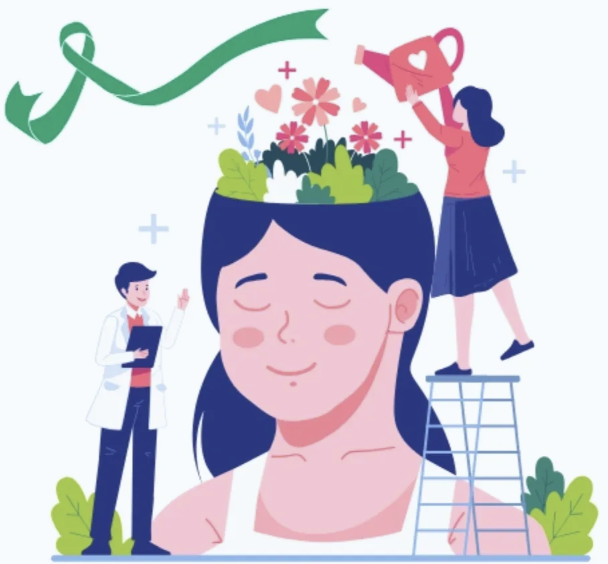
When we talk about wellbeing, we often think of physical health – eating well, exercising, and getting enough sleep. But did you know that mental health is just as important? It affects how we think, feel, and behave.

Why is mental health important?

  • It affects our daily life: How we handle stress, relationships, and work.
  • It influences our physical health: Mental health issues can lead to physical problems like headaches or stomach aches.
  • It’s essential for our wellbeing: A healthy mind contributes to a fulfilling life.

How to Nurture Your Mental Health

  1. Mindfulness and Meditation: These practices help you focus on the present moment, reducing stress and anxiety.
  2. Connect with Others: Building strong relationships can provide emotional support and a sense of belonging.
  3. Healthy Lifestyle: Regular exercise, a balanced diet, and enough sleep are crucial for overall wellbeing.
  4. Seek Professional Help: If you’re struggling with mental health issues, don’t hesitate to talk to a therapist or counselor.

Remember, it’s okay to ask for help. Just like you would seek the help of a physician when you are ill, it’s just as important to seek help for your mental health. By understanding the basics and taking steps to improve your wellbeing, you can live a happier and healthier life.

Sidebar