
Licensed Psychologist | Online psychological services available across participating PSYPACT states

Tag: Burnout

Self-Care is Free, Tapping Your Credit Card Is Not Necessary

Have you ever seen an ad with someone standing barefoot in the grass, simply breathing in the fresh air and connecting with the world around them? Probably not. That’s because no company will pay for it without selling anything! But how often do you see ads promising happiness through an expensive getaway, a luxury meal, or a trendy wellness product? All the time.

This contrast came to mind during a recent therapy session with a patient. Edward came into session completely drained—not just from recovering after being sick, but from carrying the weight of everything at once: marriage tension, communication struggles, parenting responsibilities, and job demands. The stress had built up over time, and now, even small conversations with his wife sparked defensiveness and misinterpretation.

Throughout the session, he repeated these two sentiments frequently: feeling exhausted and overwhelmed, as if they were everything that consumed him every day—as if he were completely helpless. So, I asked him how he had been taking care of himself. His answer was simple and honest.

Dr. Ferrer: “How do you take care of yourself when everything feels overwhelming?”
Edward: “About two weeks ago, I went on a short vacation by myself at Joshua Tree. I dreaded driving back home. But since then, I’ve not done anything.

Dr. Ferrer: Besides all the responsibilities you take care of, what other activities do you do that are entirely for yourself?

Edward: Well, I guess I take a nap while my daughter is at daycare or when she’s also asleep. I take a shower and that feel refreshing. I play my drums or the guiatar, but I haven’t done that in a while.”
Me: “That’s good. Did any of those moments feel helpful to you?”
Edward: “They did… but I didn’t think of them as self-care.”

That last line stuck with me. He was doing things that clearly helped him cope—but he didn’t label them as self-care. Because of that, they didn’t feel like they counted. As we kept talking, three key ideas came into focus—ideas that shaped my observation, that I processed with him, and that I want to share with you in this article.

Spending on Self-Care

In American culture, it seems that self-care has often been co-opted by consumerism, where it’s equated with indulgent lifestyle purchases. This commodification of care can obscure the original intention of self-care, especially for individuals under chronic stress, caregiving burdens, or systemic pressures.

In their analysis of wellness culture, Johnston and Goodman (2015) argue that contemporary self-care is deeply intertwined with neoliberal ideologies, where wellbeing is viewed as an individual’s responsibility and proof of productivity—even in rest. Spending money on oneself becomes the legitimized way to signal that one is “doing it right.” This mindset can inadvertently devalue simple but biologically and emotionally restorative practices—like grounding, napping, breathing, or pausing—because they don’t come with a receipt.

Furthermore, psychologist Dr. Laurie Santos, who teaches Yale’s popular “Science of Well-Being” course, points out that happiness and wellbeing are not strongly correlated with material consumption, despite what marketing suggests. Her course—and its evidence-based framework—stresses the impact of gratitude, mindfulness, and social connection, which cost nothing but offer substantial returns on wellbeing (Santos, 2019).

When self-care is linked to cost, we miss out on the value of the care we already give ourselves for free. Consequently, we end the day thinking we didn’t do anything for ourselves, even if we did. Edward had taken care of himself in real, practical ways, but he equated self-care with the solo camping trip he took a few weeks ago—something that clearly had cost him. Since returning, he was just experiencing exhaustion because he was only paying attention to the demands of his responsibilities. This connects with what psychologists call the negativity bias—the brain’s habit of focusing more on what’s wrong than what’s right (Baumeister et al., 2001). If we fail to notice the good we’re doing for ourselves, we’re left with the false impression that we’re only surviving, not living or being.

Edward shared that when he rests—especially in the middle of the day—he sometimes feels lazy. Even if he’s tired. Even if he’s earned that break. Even if he needs it. This shame around rest is deeply rooted in our culture. In America, rest often feels like something we have to justify. Productivity is praised. Doing nothing is questioned. Dr. Laurie Santos, who teaches The Science of Well-Being at Yale University, reminds us that real wellbeing comes from basic human needs—sleep, mindfulness, connection—not performance or image (Santos, 2019). But when rest makes us feel guilty, it becomes harder to actually receive its benefits.

Research shows that simple, accessible practices—gratitude, movement, rest, connection—have the strongest effects on mental health. We don’t need more stuff. We need more space to notice the care we already give ourselves, and to let it be enough.

Consider This

Edward’s small acts—lying down, playing music, taking a shower—were self-care. But he didn’t recognize them as such, so he kept feeling like he hadn’t done anything for himself. That’s what I want us to shift.

You are likely already doing things that care for your body and mind. But if you don’t let them count, they’ll feel invisible. And when self-care feels invisible, burnout becomes inevitable. You don’t need a plane ticket to care for yourself. You don’t need a receipt. You need rest. You need breath. You need moments that nourish you, even if no one else sees them. Especially if no one else sees them.

So today, when you brush your teeth slowly, or rest your eyes for a minute, or simply lie in silence for a few breaths—say to yourself, this is self-care. But, what other activities can you engage in today that you give attention to and is free—meaning, you don’t have to tap your credit card or smart watch to obtain the product or services you think will make you feel well?

Read more from Rizaldy R. Ferrer, Ph.D.


References

Baumeister, R. F., Bratslavsky, E., Finkenauer, C., & Vohs, K. D. (2001). Bad is stronger than good. Review of General Psychology, 5(4), 323–370. https://doi.org/10.1037/1089-2680.5.4.323

Johnston, J., & Goodman, M. K. (2015). Spectacular foodscapes: Food celebrities and the politics of lifestyle mediation in an age of inequality. Food, Culture & Society, 18(2), 205–222. https://doi.org/10.1080/15528014.2015.1023766

Santos, L. (2019). The Science of Well-Being [Online course]. Yale University. https://www.coursera.org/learn/the-science-of-well-being.


Disclaimer: The information provided in this newsletter is not intended to be a substitute for professional medical or mental health advice. If you are experiencing any mental health issues, please seek professional help. The author of this blog is not liable for any damages or injuries that may result from the use of the information provided here.

When applicable, the names, gender identification, location and/or other identifiable characteristics have been modified to maintain privacy and confidentiality; whilst, still maintaining the integrity of their stories and narratives.
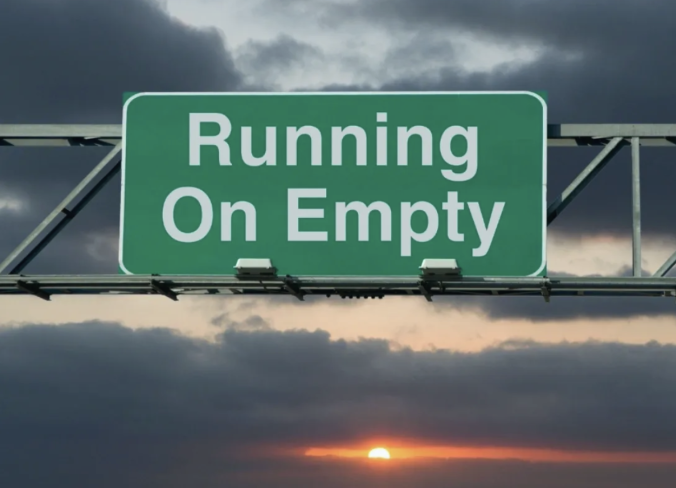
Recognizing Signs That You’re Running on Empty

Have you ever felt so exhausted that even a full night’s sleep doesn’t help? Or maybe your brain feels foggy, and even simple tasks seem overwhelming? If so, you might be running on empty—which means your body and mind are tired and need a real break.

Life can be stressful, with work, school, responsibilities, and social pressures all demanding your time and energy. But if you don’t take time to rest and recharge, your body and brain will start sending warning signs that something isn’t right.

This article will help you recognize the signs of burnout and show you simple ways to recover your energy and feel better.

What Happens When You’re Too Tired?

Your body has a built-in system that helps you handle stress and recover. But when you keep pushing yourself without rest, your system gets stuck in two states:

  1. Fight-or-flight mode – You feel anxious, restless, or stressed all the time.
  2. Shutdown mode – You feel completely drained, unmotivated, and even numb.

Instead of bouncing back after stress, your energy stays low, and even small things start feeling overwhelming.

Signs That You’re Running on Empty

If you notice these signs happening a lot, it may be time to slow down and recharge.

1. You Feel Tired All the Time

  • You wake up feeling just as exhausted as when you went to sleep.
  • Coffee or energy drinks barely help.
  • Even fun activities feel like too much effort.

2. You Can’t Think Clearly

  • You forget things easily.
  • It’s hard to focus at work or school.
  • You feel mentally “foggy” and struggle to make decisions.

3. You Feel Irritable or Overwhelmed

  • Small things make you frustrated or angry.
  • You feel more emotional than usual.
  • You get upset easily, or you feel numb and disconnected.

4. Your Sleep is Messed Up

  • You struggle to fall asleep because your mind won’t slow down.
  • You wake up a lot during the night.
  • You sleep more than usual but still feel tired.

5. Your Body Feels Tense and Stressed

  • You have frequent headaches.
  • Your muscles feel tight, especially in your neck, shoulders, or jaw.
  • You get stomachaches or digestive problems.

6. You Lose Interest in Things You Used to Enjoy

  • Your favorite hobbies seem boring.
  • You don’t feel like socializing or making plans.
  • You feel disconnected from people around you.

7. You Rely on Quick Fixes to Get Through the Day

  • You drink lots of caffeine or eat sugary snacks for energy.
  • You spend hours scrolling on your phone but don’t feel better.
  • You zone out in front of the TV instead of doing things you enjoy.

Why Ignoring These Signs is a Bad Idea

If you don’t take care of yourself, exhaustion can make things worse. It can lead to:

  • Getting sick more often
  • Struggling in school
  • Feeling sad or anxious all the time
  • Not wanting to do anything, even fun stuff

But don’t worry! If you notice these signs, there are simple ways to recharge your energy and start feeling better.

How to Get Your Energy Back

Here are some easy ways to help your body and brain feel rested:

1. Get More Sleep

  • Try going to bed at the same time every night.
  • Turn off screens (TV, phone, tablet) 30 minutes before bed.
  • Make your room dark and quiet to help you sleep better.

2. Take Breaks During the Day

  • Go outside for fresh air.
  • Stretch or move around when you feel stiff.
  • Close your eyes and take five deep breaths to calm your mind.

3. Drink Water and Eat Good Food

  • Drink water instead of soda or sugary drinks.
  • Eat healthy snacks like fruit, nuts, or yogurt.
  • Avoid too much candy or fast food—it can make you feel more tired later.

4. Move Your Body

  • Take a walk, ride a bike, or dance to your favorite song.
  • Do some stretching or yoga to relax.
  • Playing outside helps your brain and body feel refreshed.

5. Say “No” When You Need a Break

  • It’s okay to skip an activity if you’re too tired.
  • You don’t have to say “yes” to everything.
  • Let your friends and family know when you need time to rest.

6. Do Things That Make You Happy

  • Listen to music, draw, or read a book.
  • Spend time with friends who make you feel good.
  • Try a new hobby just for fun.

Conclusion

Your body and mind give you warning signs when you’re running on empty. If you’re always tired, cranky, or don’t enjoy things anymore, it’s time to slow down and take care of yourself.

The good news is, you can fix this! By sleeping better, eating healthy, moving your body, and taking breaks, you can get your energy back and feel happier.

So, listen to your body—when it says “I need a break,” give it one! 😊

References

Parker, G., Tavella, G., & Eyers, K. (2022). Burnout: A guide to identifying burnout and pathways to recovery. Taylor & Francis.

Karoshi

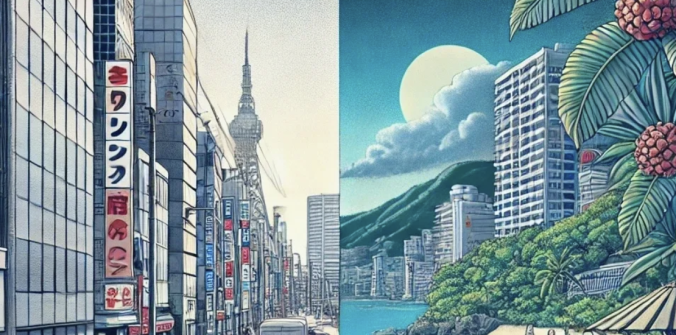
Recently, I watched a documentary that left a profound impression on me, shedding light on Japan’s complex state of wellbeing. It painted a picture of “two worlds” within the country. On one side, in places like Tokyo, people are hustling and bustling, seemingly in a constant fight for survival, working long hours and pushing themselves to their limits. On the other side, in regions like Okinawa, a designated Green Zone, people are living peaceful, balanced lives, with many reaching their centennial years.

In this documentary, they introduced the term Karoshi, a Japanese word that refers to the compulsive desire to work hard, even to the point of harming one’s health. This concept struck me because it closely ties to the Western culture of overwork. I felt compelled to share what I learned and bring this message to you, hoping that you will reflect on your own life, especially on your economic wellbeing.

Understanding Karoshi: The Dangers of Overworking

Karoshi, which translates to “death by overwork,” became a recognized issue in Japan as early as the 1980s. The World Health Organization (2021) has reported that overwork leads to an increased risk of heart disease and stroke. In Japan, many workers push themselves so hard that their health breaks down, a problem compounded by a cultural expectation to dedicate one’s life to work. Karoshi—the compulsive drive to work at all costs—feeds into this cycle. The more people feel pressured to prove their worth through their work, the more they sacrifice their health.

In the U.S., though we might not use the same terms, the situation is similar. The American work culture values busyness and productivity, often at the expense of personal wellbeing. According to a report by the American Institute of Stress (2021), 83% of workers in the U.S. experience significant stress related to their jobs. This mirrors the pressure seen in Tokyo and highlights a global issue of overwork.

The Contrast with Okinawa’s Green Zone

In contrast to the hustle and grind of Tokyo and similar urban centers, Okinawa offers an entirely different way of life. Okinawa is part of the world’s “Blue Zones,” places where people live exceptionally long, healthy lives. The people of Okinawa embrace balance in their daily activities, including work. They value community, health, and leisure, which helps explain why many live to be 100 years or older.

What can we learn from this? The contrast between Tokyo’s fast-paced life and Okinawa’s slower, balanced lifestyle offers a powerful lesson: a life driven by overwork is not sustainable. Karoshi are stark reminders of the cost of sacrificing wellbeing for work, whereas Okinawa shows us that focusing on balance and prioritizing health can lead to longevity and happiness.

How This Relates to Us: Economic Wellbeing and Our Choices

You may be wondering how all of this relates to your own life, especially here in America. The truth is, many of us fall into the same trap of overworking, driven by financial pressures and the cultural expectation to be constantly productive. However, the story of Karoshi reminds us that this drive can be dangerous. It’s essential to pause and reflect: Are we working so hard that we’re sacrificing our health? How can we find balance in our work lives to improve our wellbeing?

Seeking a healthier balance, both economically and personally, is key. Taking time for yourself, setting boundaries between work and personal life, and prioritizing your mental and physical health are steps we can all take to prevent burnout and stress. And remember, seeking help from a therapist or counselor when you’re feeling overwhelmed can make all the difference.

A Call to Action: Reflect on Your Wellbeing

As you reflect on your own life, consider how your work habits might be affecting your health and happiness. The lessons of Karoshi, and Okinawa’s Green Zone are clear: a life that prioritizes balance over constant busyness leads to better health and greater fulfillment. In the end, your economic wellbeing depends on more than just how hard you work—it’s about how you care for yourself, too.

If you find yourself stressed, overwhelmed, or unable to cope with the pressures of work, reach out to a mental health professional. Your wellbeing is worth investing in, and it’s never too late to make changes for a healthier, happier life.

Read more from Rizaldy R. Ferrer, Ph.D.


References

American Institute of Stress. (2021). Stress in America: Latest statistics. Retrieved from

https://www.stress.org/

Mayo Clinic. (2020). Stress management: The physical toll of chronic stress. Retrieved from https://www.mayoclinic.org/healthy-lifestyle/stress-management

Takahashi, M. (2019). Overwork-related disorders in Japan: Recent trends and development of a national policy to promote preventive measures. Industrial Health, 57(3), 245–250. https://doi.org/10.2486/indhealth.2018-0218

World Health Organization. (2021). Long working hours increasing deaths from heart disease and stroke. Retrieved from https://www.who.int/news-room

Sidebar
