
Licensed Psychologist | Online psychological services available across participating PSYPACT states

Tag: Mental Health

The Role of Sleep in Mental Health

We often hear the phrase “get a good night’s sleep,” but sleep is more than just rest—it’s one of the most powerful foundations for mental health. Research shows that sleep and mental well-being are deeply connected, with each influencing the other in important ways.

Why Sleep Matters for Mental Health

Sleep allows the brain and body to reset. During deep stages of sleep, the brain clears waste, processes emotions, and consolidates memories. Without enough sleep, emotional regulation suffers, and people are more vulnerable to stress, anxiety, and depression (Walker, 2017).

Chronic sleep deprivation can impair focus, decision-making, and even social interactions. Over time, lack of rest can worsen existing mental health conditions, creating a cycle that’s hard to break.

The Sleep–Emotion Connection

  • Mood Regulation: Poor sleep is strongly linked with irritability, mood swings, and negative thinking patterns.
  • Anxiety and Stress: Sleep deprivation activates the amygdala—the brain’s “alarm system”—making us more reactive to stress.
  • Depression: Up to 90% of people with depression report difficulties with sleep, such as insomnia or oversleeping (Harvard Medical School, 2009).

Signs Your Sleep May Be Affecting Your Mental Health

  • You feel anxious or low in mood after several nights of poor sleep.
  • You rely on caffeine to get through the day.
  • You struggle with focus, memory, or motivation.
  • You wake up feeling unrefreshed, even after a full night in bed.

Practical Tips for Better Sleep and Mental Wellbeing

  1. Set a Routine: Go to bed and wake up at the same time each day—even weekends.
  2. Create a Sleep-Friendly Space: Keep your bedroom dark, quiet, and cool.
  3. Unplug Before Bed: Limit screen use 30–60 minutes before sleep; blue light interferes with melatonin production.
  4. Practice Relaxation: Try breathing exercises, journaling, or gentle stretches before bedtime.
  5. Limit Stimulants: Reduce caffeine or alcohol intake, especially in the afternoon or evening.
  6. Seek Support: If sleep struggles persist, a mental health professional can help identify underlying issues.

The Takeaway

Sleep isn’t just downtime—it’s an essential tool for mental resilience. By making sleep a priority, you’re investing in clearer thinking, steadier emotions, and overall well-being. Remember: good sleep is good self-care.

References

  • Harvard Medical School. (2009). Sleep and mental health. Harvard Health Publishing.
  • Walker, M. (2017). Why we sleep: Unlocking the power of sleep and dreams. Scribner.
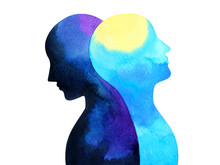
Mental Health ≠ Mental Illness

Many people still confuse mental health with mental illness, but they are not the same. Everyone has mental health—just like we all have physical health—but not everyone experiences mental illness.

What is Mental Health?

Mental health refers to our overall psychological well-being. It encompasses how we cope with daily stressors, maintain relationships, make decisions, and feel about ourselves. It is not just the absence of mental illness; it also includes positive traits such as resilience, emotional regulation, and life satisfaction.

Teixeira et al. (2025) emphasize that mental health must be seen as “a dynamic state of internal equilibrium,” which supports effective functioning in society, and is distinct from diagnosable mental disorders.
What is Mental Illness?

Mental illness refers to clinical conditions such as depression, anxiety disorders, bipolar disorder, and schizophrenia, among others. These are diagnosable mental health conditions that often require specific treatment, including therapy, medication, or both.

Nguyen et al. (2025) found that even among healthcare professionals, there remains confusion between these two terms, leading to inadequate preventive strategies and perpetuating stigma.

Prevention, Maintenance, and Growth

Just like we eat healthy foods and exercise to maintain our physical health, we must actively care for our mental health. Mental health promotion includes:

  • Practicing mindfulness and reflection
  • Building strong social connections
  • Engaging in physical activity
  • Seeking help when needed—early!

According to Fiorillo & De Giorgi (2024), proactive public health policies should target social determinants like income, education, and housing to build resilience and reduce risks for mental illness.

Challenging the Stigma

The stigma around mental illness often prevents people from seeking help. But framing mental health as universal and maintainable can shift this perspective.

A recent scoping review by Plackett et al. (2024) found that social media campaigns that emphasize mental health as everyday well-being (not illness alone) significantly improve attitudes and help-seeking behavior.

Everyone Has Mental Health—Just Like Physical Health

Let’s normalize talking about emotions and seeking support—not just in crisis, but as a routine part of life.

📌 Key Takeaways:

  • Mental health is for everyone; mental illness is not.
  • Promoting mental health is about building well-being, not just treating disorders.
  • Reducing stigma starts with education and open conversations.
  • Prevention, just like in physical health, can significantly reduce mental health issues.

References:

Fiorillo, A., & De Giorgi, S. (2024). Social Determinants of Mental Health. Springer. https://raggeduniversity.co.uk/wp-content/uploads/2025/02/1_x_Andrea-Fiorillo-editor-Serafino-De-Giorgi-editor-Social-Determinants-of-Mental-Health-Sustainable-Development-Goals-Series-Springer-2024_compressed.pdf

Nguyen, M.V., Khanh, H.D., & Phan, C.T. (2025). Investigating the impacts of psychological safety climate on mental ill health. Engineering, Construction and Architectural Management. https://www.emerald.com/insight/content/doi/10.1108/ECAM-11-2024-1576/full/html

Plackett, R., Steward, J.M., Kassianos, A.P., Duenger, M. (2024). The effectiveness of social media campaigns in improving knowledge and attitudes towards mental health and help-seeking. JMIR Preprints. https://s3.ca-central-1.amazonaws.com/assets.jmir.org/assets/preprints/preprint-68124-submitted.pdf

Teixeira, A.I., Martins, S., Lima, S., Pinto, F., & Morgado, T. (2025). A Mixed Methods Approach to Understanding Mental Health Literacy Among University Health Students. Healthcare, 13(7), 724. https://www.mdpi.com/2227-9032/13/7/724

What is Serotonin and How is it Related to Our Mental Health?

Serotonin, or 5-hydroxytryptamine (5-HT), is a neurotransmitter—a chemical messenger that helps transmit signals in the brain and throughout the nervous system. It is primarily known for its role in regulating mood, but it also influences sleep, appetite, digestion, memory, and even social behavior. The majority of the body’s serotonin, about 90%, is produced in the gut, while the rest is synthesized in the brain. Once released, serotonin interacts with specific receptors to produce various effects, depending on where it acts in the body or brain. This neurotransmitter has a complex role, and its levels and functionality are influenced by genetics, diet, stress, and physical health (Berger et al., 2009).

In terms of mental health, serotonin is widely associated with conditions like depression and anxiety. Low serotonin levels are thought to contribute to mood disorders, which is why many antidepressant medications, such as selective serotonin reuptake inhibitors (SSRIs), are designed to increase serotonin activity in the brain. SSRIs work by preventing serotonin from being reabsorbed into neurons, thereby allowing it to remain in the synaptic gap longer and enhance communication between nerve cells. However, while serotonin plays a significant role, mental health conditions are typically influenced by a combination of genetic, environmental, and psychological factors. Recent research has even questioned the simplistic “low serotonin equals depression” theory, suggesting that the relationship between serotonin and mental health is more complex than once believed (Moncrieff et al., 2022).

Understanding serotonin’s impact on mental health highlights the importance of a holistic approach to treatment. This includes addressing physical health, stress management, and other factors that influence neurotransmitter function. While serotonin is not the sole factor driving mental health, its role in mood regulation and emotional stability makes it a critical area of study for understanding and treating conditions like depression and anxiety.

References:

Berger, M., Gray, J. A., & Roth, B. L. (2009). The expanded biology of serotonin. Annual Review of Medicine, 60(1), 355-366.

Moncrieff, J., Cooper, R. E., Stockmann, T., et al. (2022). The serotonin theory of depression: A systematic umbrella review of the evidence. Molecular Psychiatry, 27, 2404–2414. https://doi.org/10.1038/s41380-022-01661-0

Sidebar