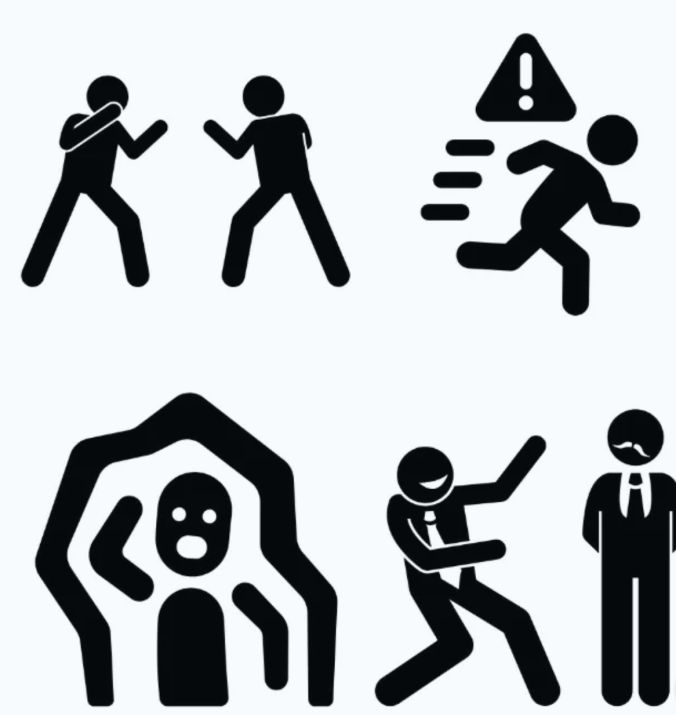
When we face stress or danger, our body reacts instinctively to protect us. These responses—known as fight, flight, freeze, and fawn—are the brain’s way of helping us survive. Each response serves a purpose, but they can also activate in non-life-threatening situations, like during arguments or overwhelming tasks.
- Fight: You feel the urge to confront the situation directly, whether through verbal or physical defense. This response comes with increased adrenaline and energy.
- Flight: You want to escape or avoid the source of stress. This could mean physically leaving or mentally withdrawing from the situation.
- Freeze: Your body becomes paralyzed, unable to react. This happens when the brain decides staying still might keep you safe.
- Fawn: You aim to please or placate others to diffuse tension. This often involves putting others’ needs above your own.
While these responses are natural, overreliance on one can lead to challenges in everyday life. Understanding your reactions is the first step toward managing stress.
Tips to Manage Stress and Regain Control:
- Breathe Deeply: Practice slow, deep breathing to calm your nervous system. Try inhaling for 4 seconds, holding for 4 seconds, and exhaling for 4 seconds.
- Ground Yourself: Use grounding techniques like the “5-4-3-2-1” method—name 5 things you see, 4 things you can touch, 3 you hear, 2 you smell, and 1 you taste.
- Move Your Body: Physical activity, even a short walk, can help release pent-up tension and improve mood.
- Journal Your Feelings: Writing down your thoughts can help you process emotions and identify triggers.
- Practice Self-Compassion: Remind yourself that it’s okay to feel overwhelmed and seek support when needed.
