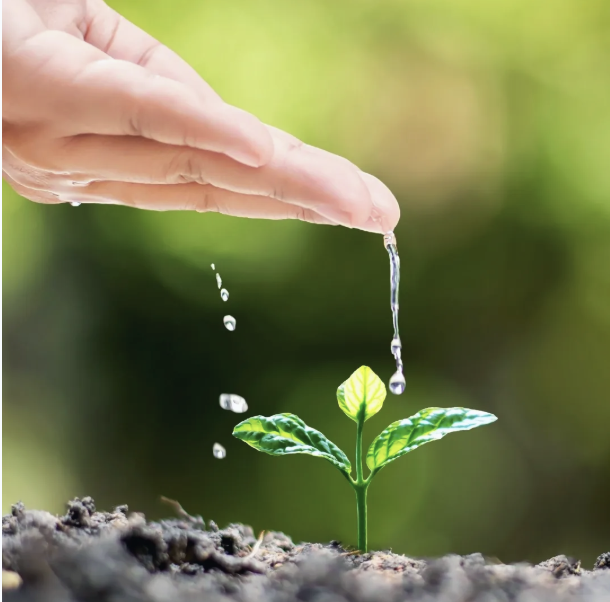
Many people expect growth to feel dramatic. We imagine confidence arriving all at once or healing appearing as a clear turning point. In reality, psychological growth is often gradual and difficult to notice while it’s happening.
Research on learning and behavior change suggests that improvement tends to occur through repeated experiences and small adjustments over time rather than sudden transformation (Prochaska & Velicer, 1997). Because these changes happen incrementally, our brains often adapt to them quickly and stop noticing them.
This is similar to how we rarely notice a child growing taller from one day to the next. Growth becomes visible only when we compare the present to a more distant past. Emotional growth works much the same way. Becoming more patient, resilient, or self-aware often happens beneath the surface long before we recognize it consciously.
One way to support this process is to periodically reflect on where you were six months or a year ago. Looking back can reveal progress that daily life tends to hide.
References
Prochaska, J. O., & Velicer, W. F. (1997). The transtheoretical model of health behavior change. American Journal of Health Promotion, 12(1), 38–48.
