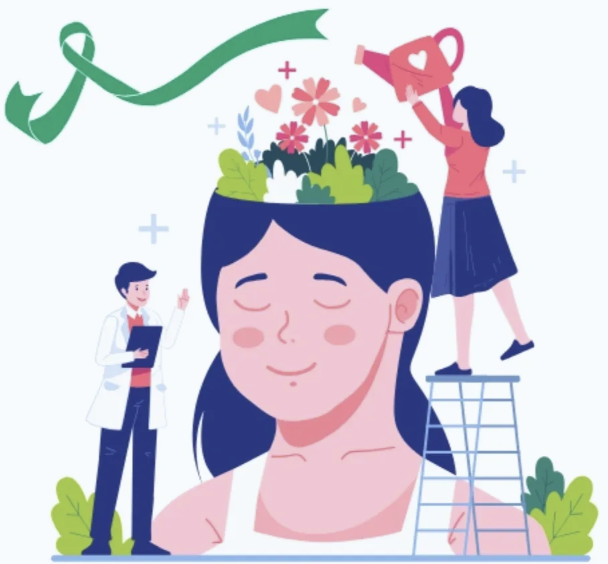
What Is Mental Health? Mental health is about how we think, feel, and act. It affects how we handle stress, relate to others, and make choices (Centers for Disease Control and Prevention [CDC], 2023). Just like physical health, our mental health needs care and attention too. If we ignore it, we may feel sad, tired,…
Page 4 of 6
Have you ever walked into a room and totally forgotten why you were there? Or started a chore, then got distracted and moved on to something else without finishing? That might sound familiar to many people—but for someone with ADHD, it happens a lot more often, and it’s usually not their fault. This is where…

Positive psychology is a part of psychology that focuses on the positive parts of life. Instead of only studying problems like sadness or anxiety, it looks at what helps people feel happy, strong, and fulfilled. Psychologists in this field ask questions like, “What makes life meaningful?” or “What helps people stay hopeful even during hard…
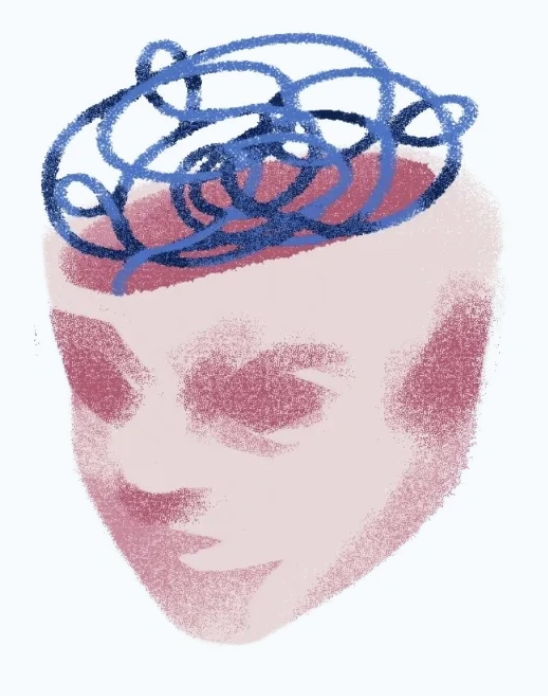
Overthinking and decision paralysis happen when certain parts of the brain become too active, especially the prefrontal cortex, amygdala, and basal ganglia. The prefrontal cortex helps with thinking and decision-making, but when there are too many choices, it gets overwhelmed, making decisions harder. The amygdala, which controls emotions, becomes too active under stress, making people…
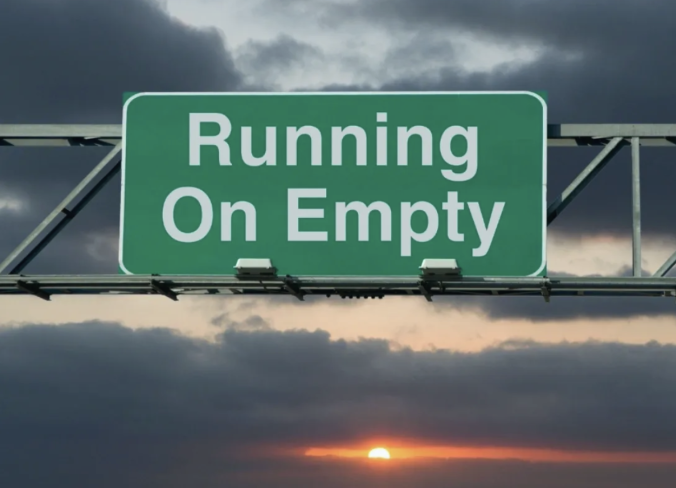
Have you ever felt so exhausted that even a full night’s sleep doesn’t help? Or maybe your brain feels foggy, and even simple tasks seem overwhelming? If so, you might be running on empty—which means your body and mind are tired and need a real break. Life can be stressful, with work, school, responsibilities, and…
Have you ever felt like no matter what you do, it’s just not enough? Maybe you’ve thought, “I’m not smart enough,” “I’m not successful enough,” or “I’m not good enough for others.” You’re not alone. Many people experience these thoughts, often without realizing how much they affect their happiness and mental well-being. Psychologists have studied…
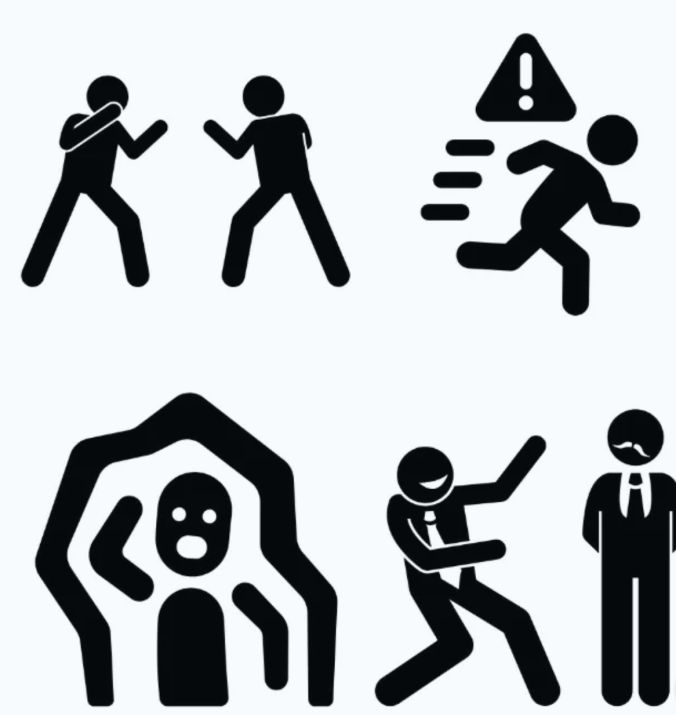
When we face stress or danger, our body reacts instinctively to protect us. These responses—known as fight, flight, freeze, and fawn—are the brain’s way of helping us survive. Each response serves a purpose, but they can also activate in non-life-threatening situations, like during arguments or overwhelming tasks. Fight: You feel the urge to confront the…

Life throws curveballs—missed deadlines, unexpected weather, or even just a bad day. Our reactions to these moments can significantly impact our mental health. Most of us are familiar with the instinctive “ugh,” a reaction rooted in frustration, dismay, or rejection. But what if we replaced “ugh” with “hmm”? This small shift, from resistance to curiosity,…

Wait, Scratch That! Every year, millions of people make New Year’s resolutions, hoping that January 1 will mark a dramatic shift in their habits, mindset, or circumstances. The idea seems appealing: a fresh start, a blank slate. But is this approach truly effective, or is it setting us up for disappointment? The Overrated Concept of…

When faced with life challenges, many of us default to “fixing” the difficulties because we assume that they are “broken,” rather than just are inevitable parts of life. Fixing may be an attempt to control every possible outcome in hopes of avoiding discomfort. While this may feel productive, it often fuels anxiety and distances us…
Sidebar
About Me
