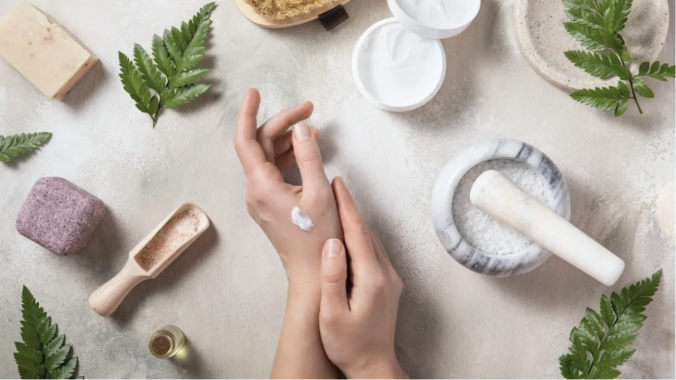
In today’s culture, self-care is often sold to us as something you need to buy—a luxury spa day, a weekend getaway, a new skincare set, or a perfectly curated morning routine. Social media and advertising have turned well-being into a product, making it easy to believe that taking care of ourselves means spending money. But self-care doesn’t have to come with a price tag. In fact, Dr. Laurie Santos (2019), professor of psychology at Yale and creator of the “Science of Well-Being” course, reminds us that the most effective ways to boost mental health—like sleep, gratitude, exercise, and social connection—are completely free and backed by science.
The problem is, we often dismiss these simple acts because they don’t feel special or “Instagram-worthy.” This mindset is influenced by what psychologists call the negativity bias, which is our brain’s natural tendency to focus more on what’s wrong or lacking than on what’s positive or working (Baumeister et al., 2001). This bias can cause us to overlook the quiet but meaningful ways we already support our mental health—like resting, journaling, laughing with a friend, or even breathing deeply for a few minutes. When these practices are not labeled as self-care, we may assume we’re doing “nothing” for ourselves, even when we’re actually doing something important.
By becoming more aware of this bias, we can reframe how we view self-care. Start by naming the small, restorative things you do each day—like stepping outside for fresh air or pausing to stretch—and say to yourself, “This is self-care.” Practicing gratitude, even briefly, can shift your attention toward what’s nourishing and true. The more we acknowledge the value of accessible, no-cost forms of care, the more empowered we become to care for our mental health consistently—no purchases necessary.
References:
Baumeister, R. F., Bratslavsky, E., Finkenauer, C., & Vohs, K. D. (2001). Bad is stronger than good. Review of General Psychology, 5(4), 323–370. https://doi.org/10.1037/1089-2680.5.4.323
Santos, L. (2019). The Science of Well-Being [Online course]. Yale University. https://www.coursera.org/learn/the-science-of-well-being
Share this post:
