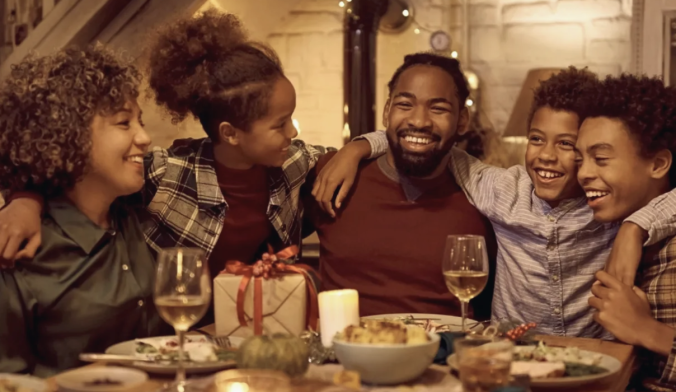
As the holiday season rolls around, it brings more than just decorations, delicious food, and gift exchanges—it offers a unique opportunity to deepen social connections. While the festivities may look different for everyone, the psychological need for connection remains universal. Understanding the psycho-educational basis of social connection during the holidays reveals why relationships play such a crucial role in this season’s joy.
The Psychological Need for Connection
Human beings are inherently social creatures. Psychologist Abraham Maslow highlighted connection as a fundamental need in his hierarchy, emphasizing its role in overall wellbeing (Maslow, 1943). During the holidays, this need becomes even more pronounced as cultural and familial rituals remind us of the importance of relationships.
Research shows that social connection is linked to mental and physical health benefits. A sense of belonging can lower stress levels, reduce symptoms of anxiety and depression, and even improve cardiovascular health (Holt-Lunstad et al., 2010). Social bonds trigger the release of oxytocin, often called the “bonding hormone,” which promotes feelings of trust and reduces stress. Moreover, spending time with loved ones activates the brain’s reward system, releasing dopamine and serotonin—neurotransmitters linked to happiness and emotional stability. In other words, connection literally makes us feel good. This is particularly meaningful during the holidays, a time when many feel heightened emotions—both positive and challenging.
The Holidays: A Unique Context for Connection
The holidays amplify this need for connection for several reasons. For one, rituals such as sharing meals, exchanging gifts, or lighting candles create opportunities for bonding. These shared traditions foster a sense of community and continuity, even across generations. They remind us that we’re part of something larger than ourselves.
At the same time, the holidays can also heighten feelings of loneliness for those who lack a strong social network. For individuals without family nearby, creating “chosen families” through friendships can help fill this gap. In fact, studies have shown that the quality of relationships, rather than their quantity, is what matters most for psychological health.
Addressing Social Challenges During the Holidays
While the holidays can bring joy, they can also highlight feelings of loneliness for some. It’s essential to recognize that not everyone has access to close-knit social circles. For these individuals, intentional efforts—such as reaching out to a friend, volunteering, or joining a community event—can create meaningful connections.
Additionally, cultivating self-compassion can buffer against feelings of isolation. According to Neff (2003), self-compassion involves treating oneself with kindness and understanding, particularly during emotionally difficult times.
The Impact on Collective Wellbeing
Beyond individual benefits, social connection during the holidays fosters collective wellbeing. It strengthens communities, builds resilience, and reinforces cultural traditions. By prioritizing relationships, whether through family gatherings, reconnecting with friends, or supporting neighbors, we contribute to a ripple effect of positivity.
Tips for Enhancing Social Connection This Holiday Season
Prioritize Quality Time: Focus on meaningful conversations and shared experiences instead of being distracted by tasks or technology.
Embrace Inclusivity: Reach out to neighbors, colleagues, or acquaintances who might not have a place to celebrate, creating a stronger sense of community.
Stay Present: Whether through virtual calls or in-person gatherings, being emotionally present fosters deeper connections.
Practice Gratitude: Expressing appreciation for loved ones strengthens bonds and creates a positive feedback loop of warmth and affection.
The Ripple Effect
Social connection during the holidays doesn’t just benefit individuals—it also has a ripple effect. Families who feel emotionally close are better at resolving conflicts, friendships deepen through shared experiences, and communities grow stronger when people actively include others. By investing in connection, we collectively create a brighter, more supportive environment for all.
So this holiday season, remember that togetherness isn’t just a tradition—it’s a psychological cornerstone of happiness. Whether it’s a heartfelt conversation, a shared laugh, or a moment of quiet reflection with a loved one, these connections are truly the best gift you can give or receive.
References
Emmons, R. A., & McCullough, M. E. (2003). Counting blessings versus burdens: An experimental investigation of gratitude and subjective well-being in daily life. Journal of Personality and Social Psychology, 84(2), 377-389. https://doi.org/10.1037/0022-3514.84.2.377
Holt-Lunstad, J., Smith, T. B., & Layton, J. B. (2010). Social relationships and mortality risk: A meta-analytic review. PLoS Medicine, 7(7), e1000316. https://doi.org/10.1371/journal.pmed.1000316
Maslow, A. H. (1943). A theory of human motivation. Psychological Review, 50(4), 370-396. https://doi.org/10.1037/h0054346
Neff, K. D. (2003). The development and validation of a scale to measure self-compassion. Self and Identity, 2(3), 223-250. https://doi.org/10.1080/15298860309027
Rimé, B. (2009). Emotion elicits the social sharing of emotion: Theory and empirical review. Emotion Review, 1(1), 60-85. https://doi.org/10.1177/1754073908097189
Wildschut, T., Sedikides, C., Arndt, J., & Routledge, C. (2006). Nostalgia: Content, triggers, functions. Journal of Personality and Social Psychology, 91(5), 975-993. https://doi.org/10.1037/0022-3514.91.5.975
